



















David Fincher has answered the backlash over apparent AI use in his new film The Further Mis-Adventures of Cliff Booth — and he is not backing down. “I’m not a Luddite, so I don’t fear the unknown,” the director told the Los Angeles Times. “Well, it exists. Should we not use it?”
The film, written by Quentin Tarantino as a sequel to Once Upon a Time in Hollywood (2019), brings Brad Pitt back as stuntman Cliff Booth. Set in 1977, eight years after the original, it finds Booth working as a projectionist who moonlights as a Hollywood fixer, caught up in a conspiracy involving a Filipino gang and a stolen Oscar. It opens in IMAX on November 25 and arrives on Netflix on December 23.
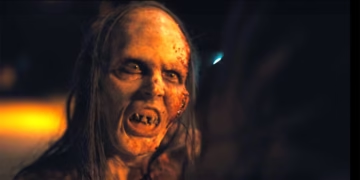
The criticism started with early screenings and the trailer. Viewers on social media called the apparent use of generative AI “astounding to an absurd degree,” and one said they “walked out of Cliff Booth completely gutted.” The film’s credits list a “generative consultant,” and Netflix has not confirmed whether generative AI imagery was used.
Fincher pushed back on the idea that filmmaking should stop evolving. “Is everyone satisfied that we have figured this art form out enough that what we really need to do is go back to celluloid?” he asked. “How long have people painted? 40,000 years? We’re talking about a thing that’s a hundred years old and everyone’s going, ‘Stop. Pencils down. No more iterating. It’s not necessary to have at your fingertips the ability to change the color of that person’s eyes.'”
It is a familiar stance for Fincher, who began his career at Industrial Light & Magic on Return of the Jedi and Indiana Jones and the Temple of Doom and has adopted new technology at every stage since. Whether audiences accept the argument may decide how Cliff Booth is remembered: as a Tarantino-scripted sequel, or as the film that put Hollywood’s AI debate on screen.
Our critic roundup of Cliff Booth is here. And if you can name a film from one still, play Title Card.
Source: via Deadline